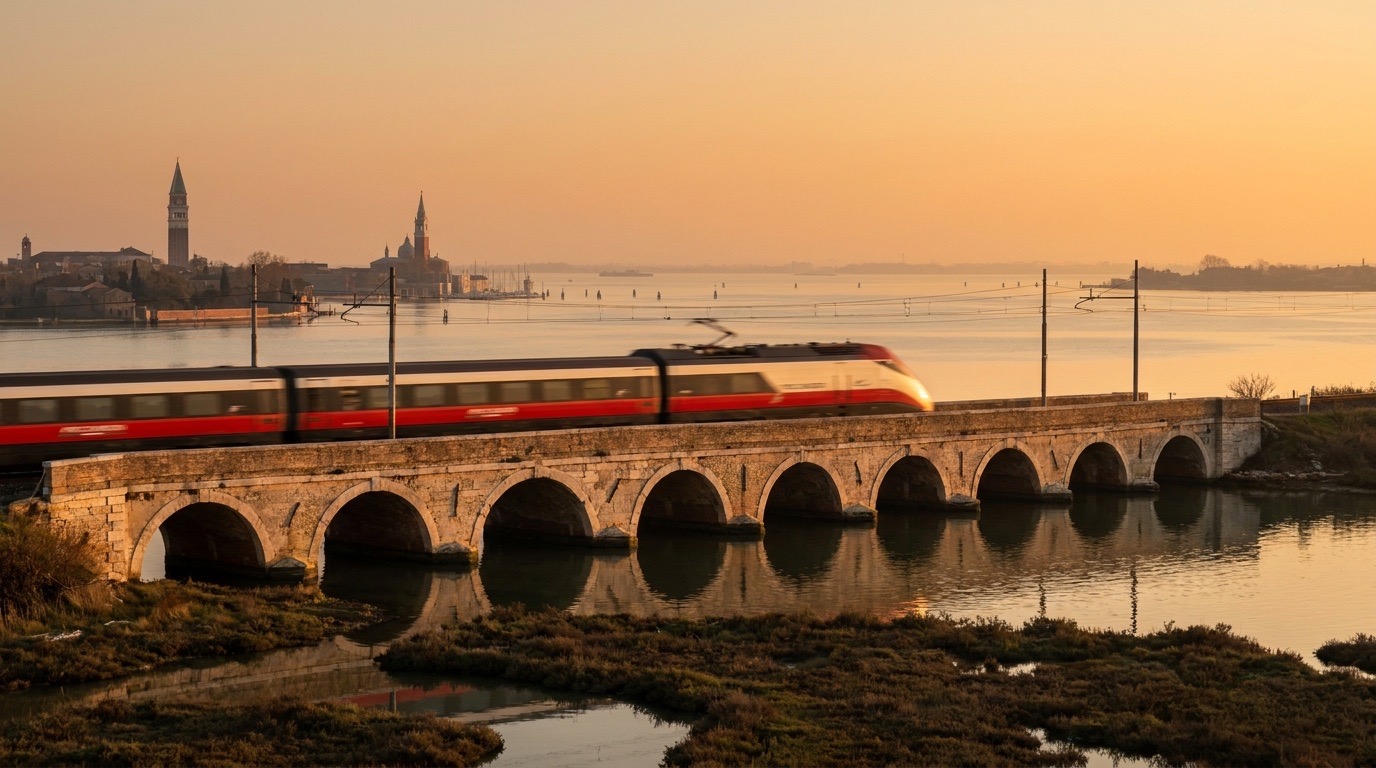

Venice ⇄ Rome · Rail Travel
Venice to Rome by Train — La Serenissima to the Eternal City by Rail
528 km of Italy's fastest line, from the Grand Canal to the Colosseum, through Padua, Bologna and Florence.
Search live fares, Venice to Rome
The Line
One ticket, five cities on the direct train from Venice
Every direct Venice–Rome high-speed train runs the same historic line south — and most call at Padua, Bologna and Florence along the way, whether you get off or not. Whichever operator you book, the route and the stops are the same; only the train times and onboard style change.
Five Ways South
Every way to get from Venice to Rome, scored honestly
Train, plane, bus, car, even a slow boat — here's how they actually stack up on time, cost, comfort and carbon, door to door. A high speed train ticket usually wins on total travel time once you count the full route, not just time in the air or on the road.
Why the Train Wins
Six reasons the rail line beats everything else
A high speed train ticket buys a genuinely comfortable journey: leather seats or reclining Standard chairs, air conditioning, power sockets and free wifi the whole way, with none of the change-trains hassle of a budget flight.
Centre to centre
Santa Lucia sits on the Grand Canal, Termini in the historic core of Rome — no 40-minute transfer to reach either.
No security theatre
Walk on 10–15 minutes before departure — no liquids rule, no shoes off, no arriving two hours early.
The view is the point
Vineyards, cypress-lined hills and Apennine tunnels between Bologna and Florence — worth the trip on its own.
Work, read, nap
Power sockets, tables and Wi-Fi at every seat class, with room to actually get something done.
Free luggage, always
No baggage fees, no weigh-in, no gate-side repacking — bring what you packed.
A fraction of the footprint
Rail travel here produces roughly a tenth of the CO₂ per passenger of the equivalent flight.
Operators
Venice to Rome train operators: Trenitalia vs Italo
Trenitalia and Italo compete head-to-head on the Venice–Rome line — same speed class, different onboard style. Both run comfortable high speed trains with air conditioning, power sockets and free wifi throughout every carriage. Comparing both operators on your date usually finds the better train ticket price.
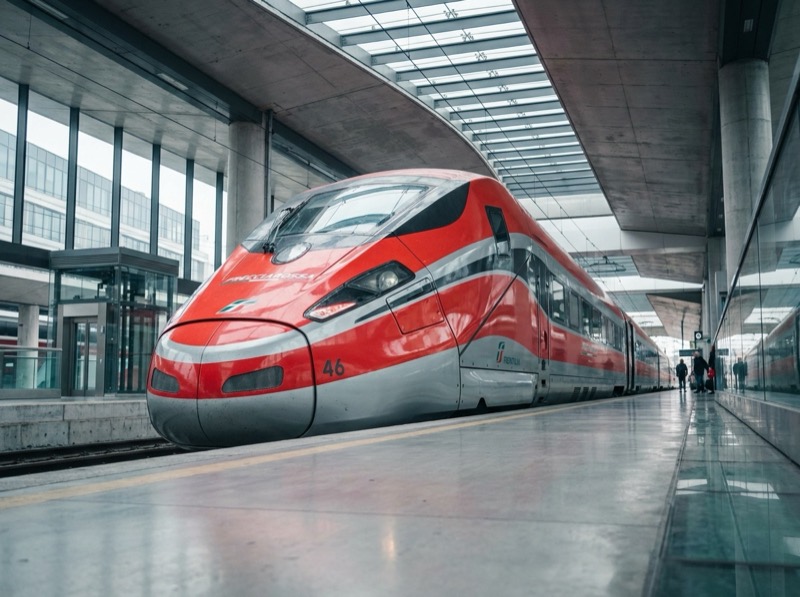
Frecciarossa
Trenitalia offers the backbone of the route, with the densest timetable and four seat classes from Standard to Executive, reaching speeds up to 300 km/h.
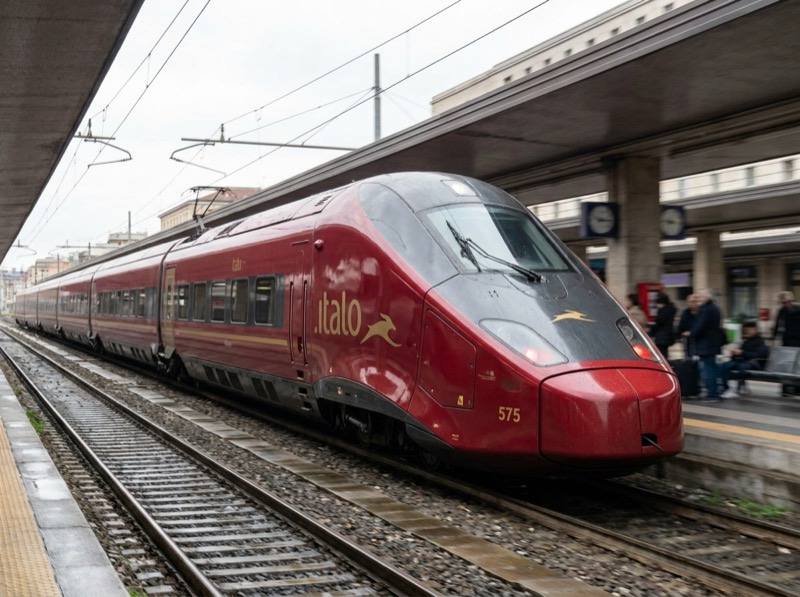
Italo
Italo offers Italy's private high-speed alternative — making Italo often praised for design-forward cabins, its booking app and onboard service, with drink options from a café cart on every train.
Check fares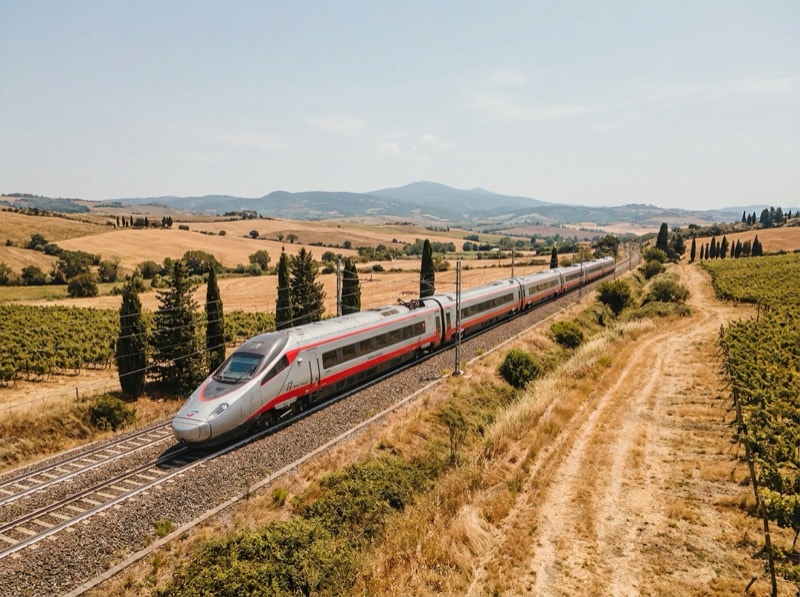
Frecciargento
A slightly slower alternative — top speed around 250 km/h (155 mph) — calling at the mainland stations instead of the two island/centre hubs, often at a reasonable price below Frecciarossa's.
Classes
Pick your pace of travel
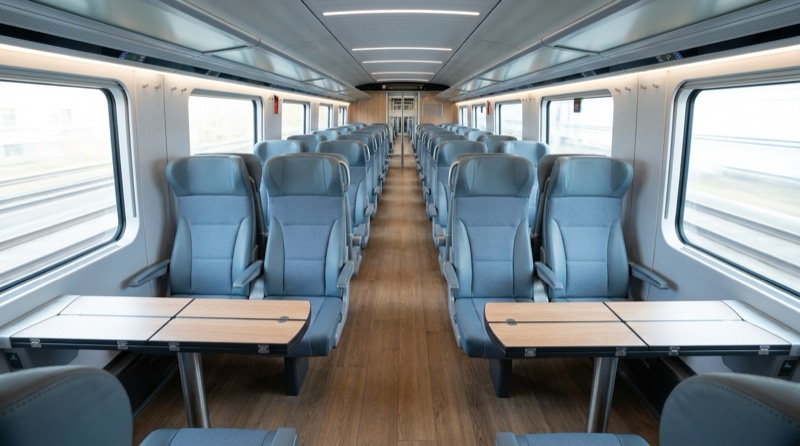
Standard
Comfortable seating in a 2+2 layout with a table, power socket and Wi-Fi at every seat — the most-booked class on the route.
- Reclining seat, fold-down table
- Power socket + free Wi-Fi
- Overhead & door-end luggage racks
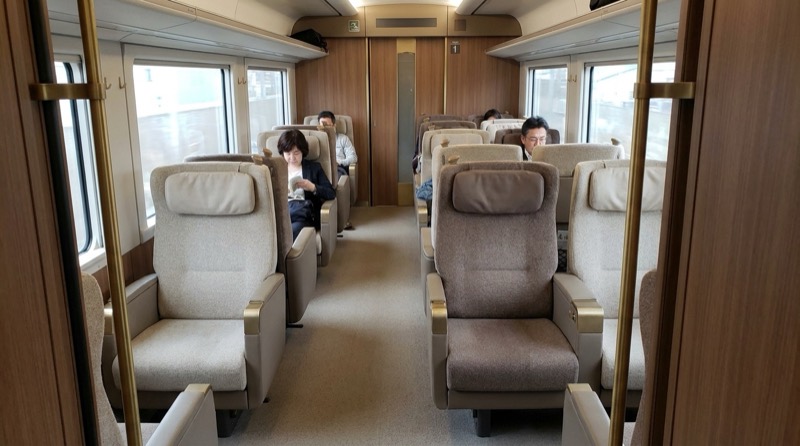
Premium
Extra legroom and 2+1 seating for a quieter cabin, at a modest jump over Standard fares.
- 2+1 layout, wider seat pitch
- Quieter, lower-occupancy carriage
- Priority boarding
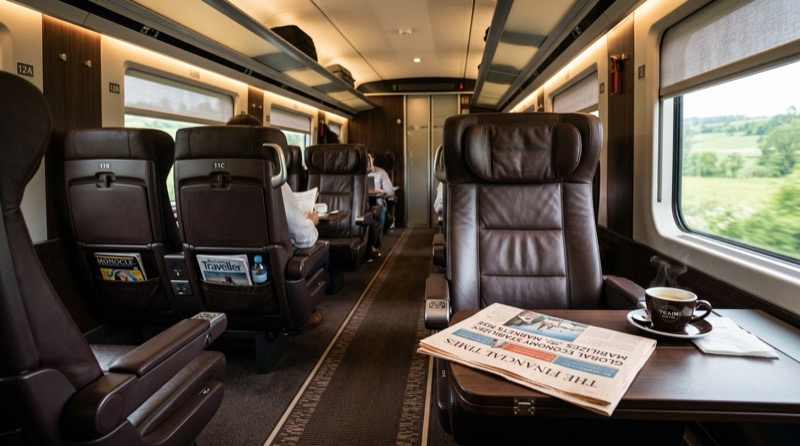
Business
Leather seating, welcome refreshment and a dedicated carriage built for working the whole way.
- 2+1 leather seating, larger tray table
- Welcome drink & snack
- Access to Frecciarossa lounges
Executive
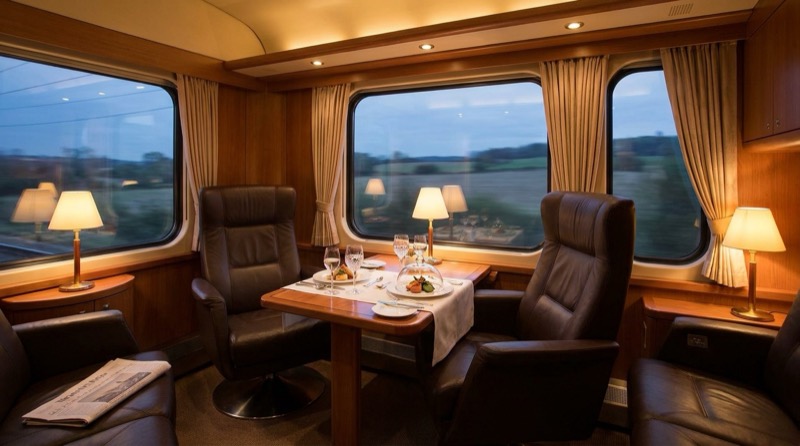
A small cabin of single, rotating leather seats with at-seat meal service — the closest the line gets to first class.
- Single rotating seats, maximum privacy
- At-seat dining service
- Dedicated lounge access
The Journey
Venice to Rome, stop by stop
The palette of this page shifts as you scroll for a reason — it's the same shift you'll see out the window, from lagoon teal to Roman terracotta. It's a comfortable journey the whole way: leave Venice in the morning and the distance to Rome — 528 km — is behind you by early afternoon.
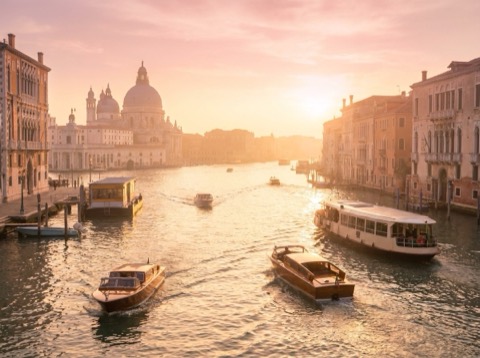
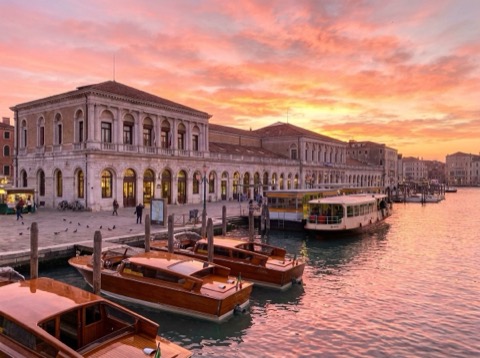
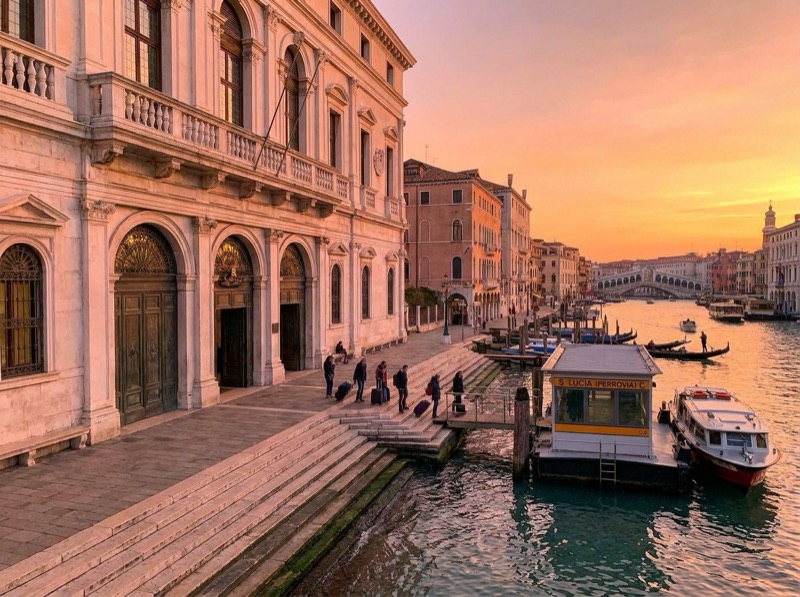
Board right on the water — the station opens directly onto the Grand Canal.
Tap for the story →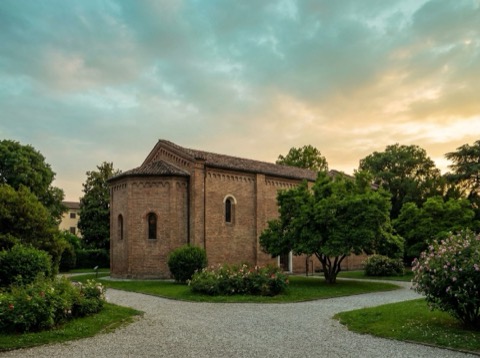
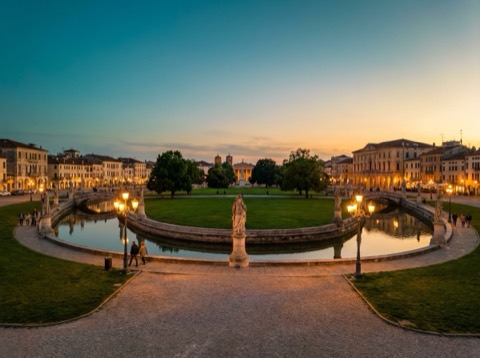
Home to Giotto's frescoes — a five-minute walk from the station.
Tap for the story →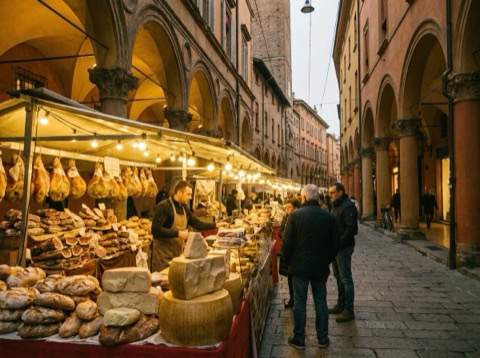
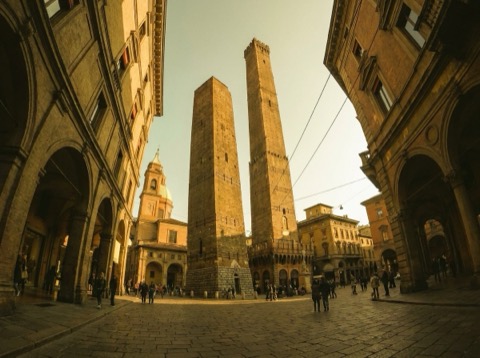
The exact midpoint, and Italy's food capital — worth the layover alone.
Tap for the story →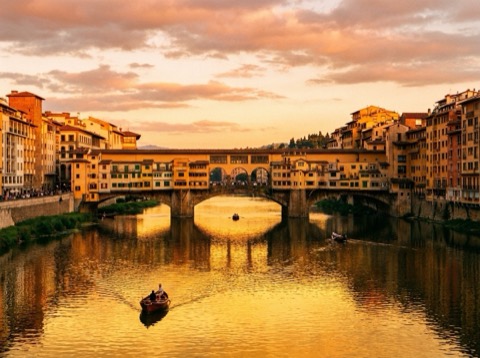
The Renaissance city, one stop before the finish line.
Tap for the story →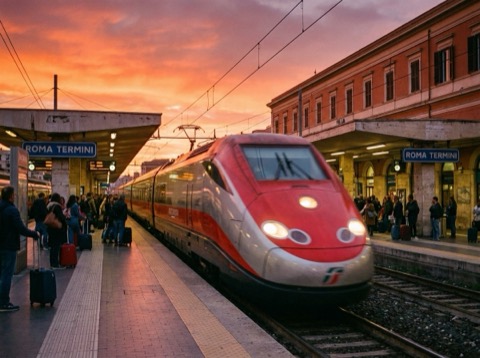
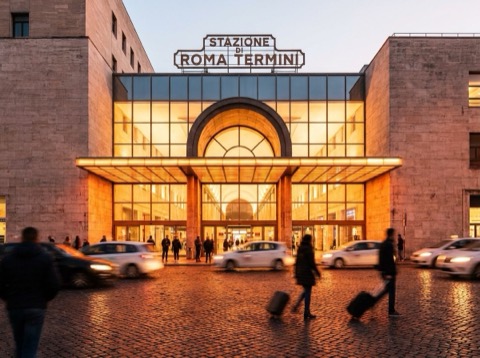
Termini puts you a 15-minute walk from the Colosseum.
Tap for the story →Worth the Stop
Break the journey with a day trip to Bologna or Florence
Both cities on the line make an easy same-day or overnight detour — hop off, explore, and catch a later train south with the same class of ticket.
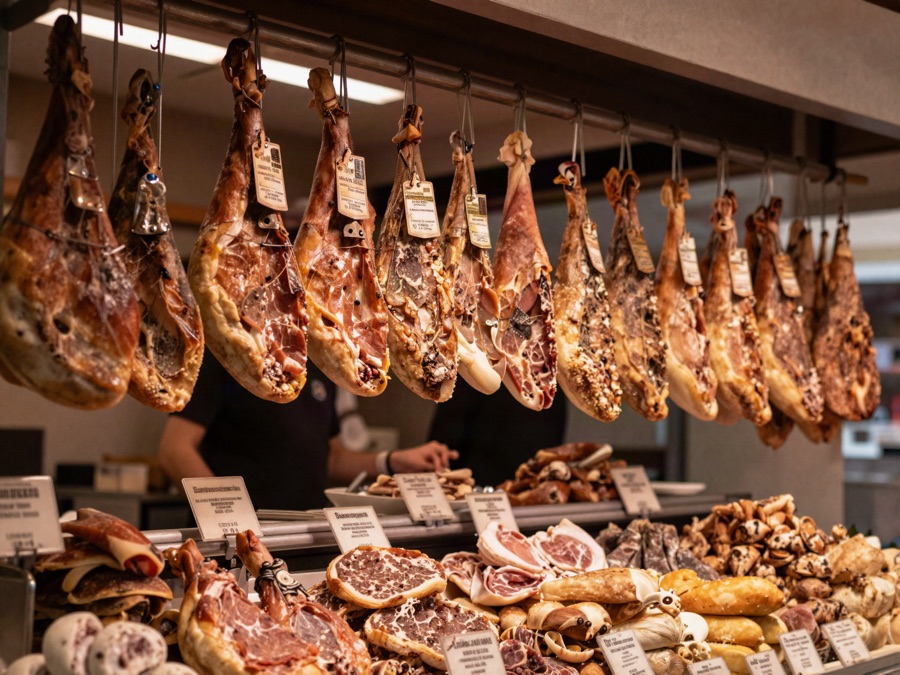
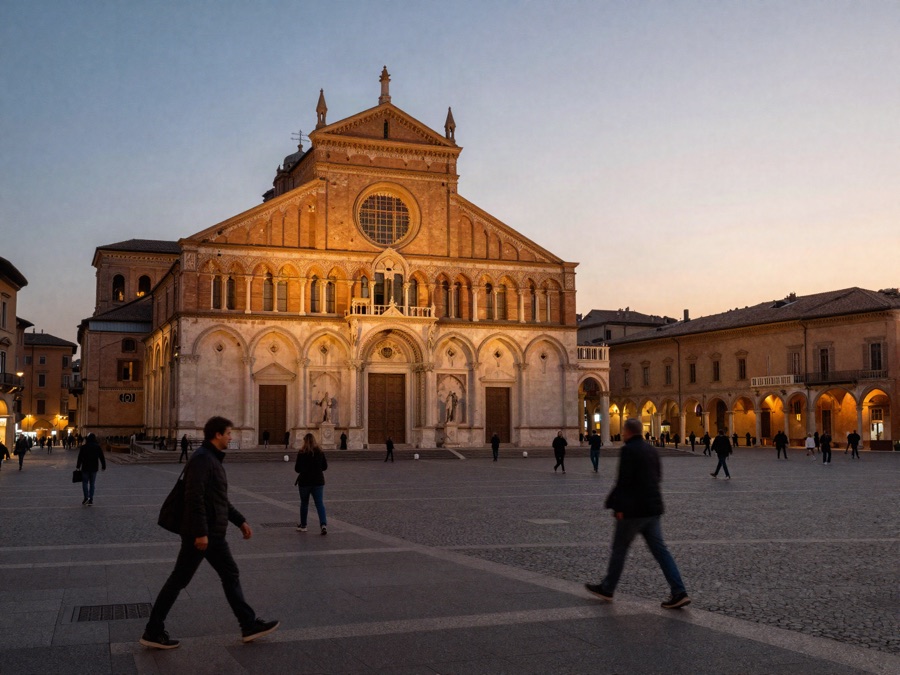
Bologna
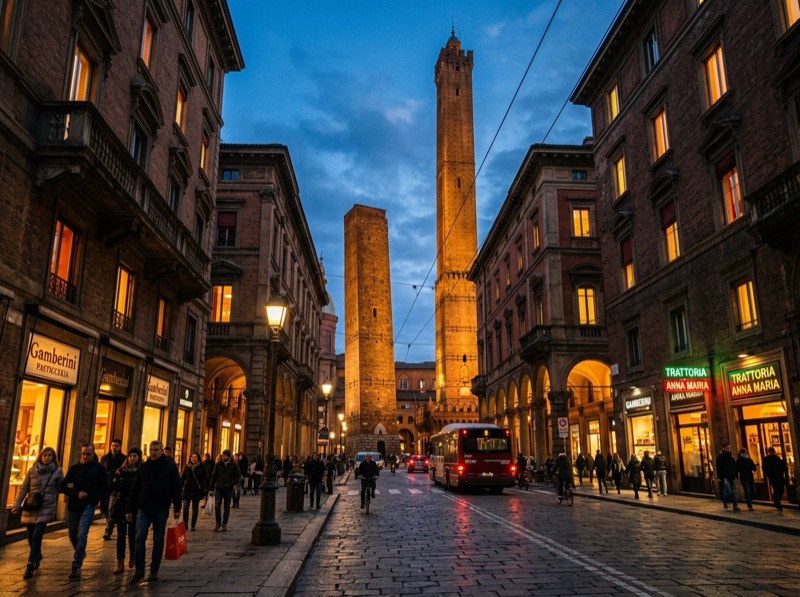
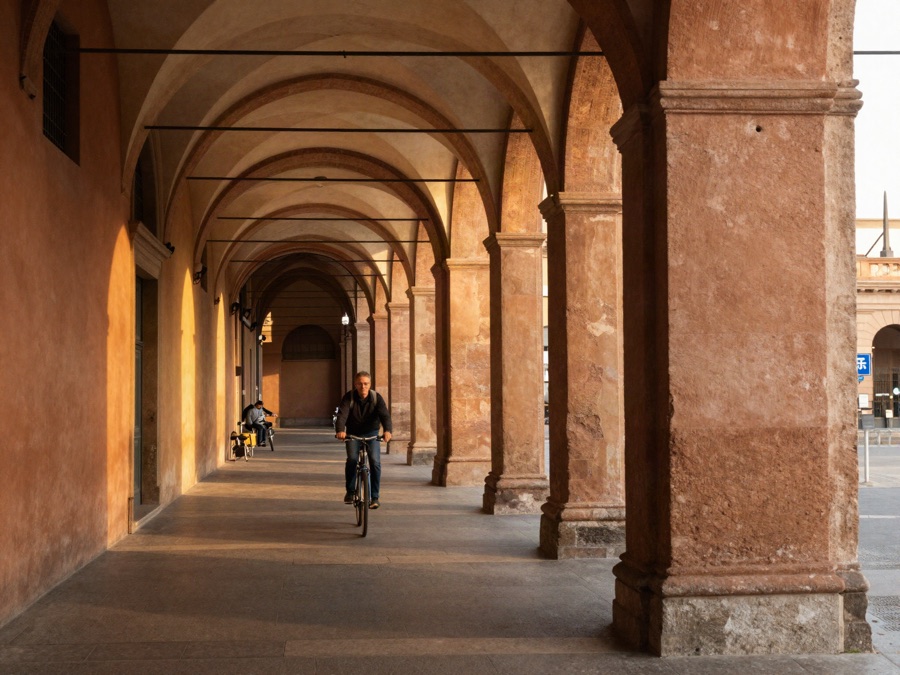
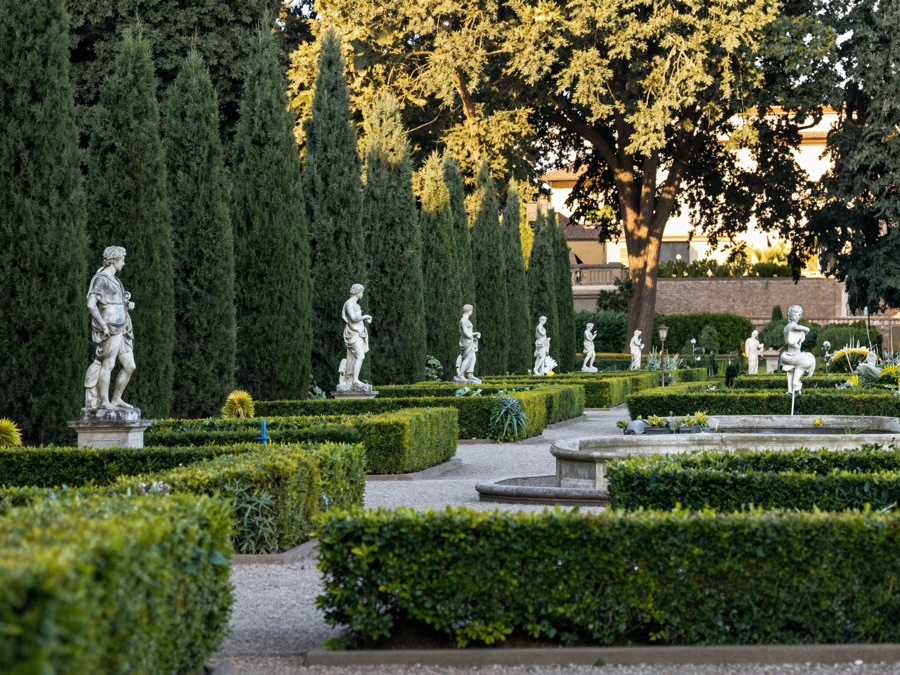
Italy's most underrated food city — tortellini in broth, mortadella straight off the slicer, and medieval porticoes to walk it all off.
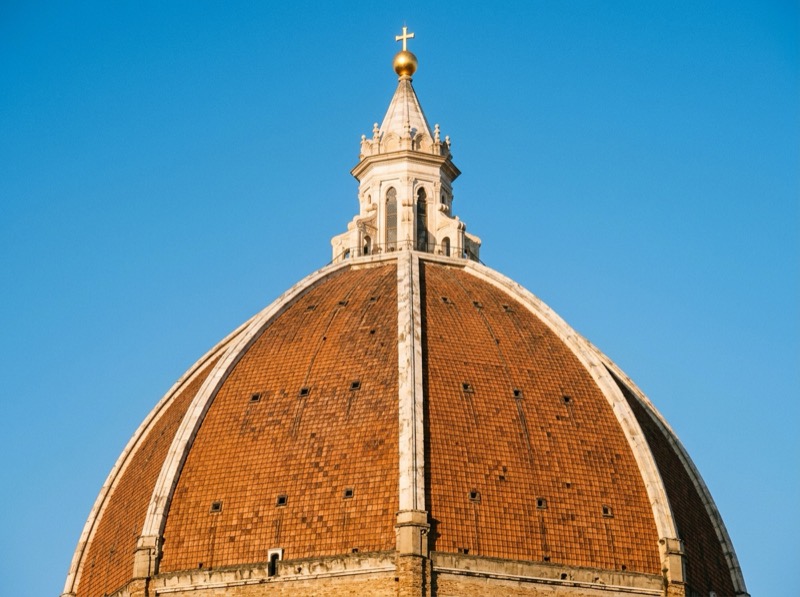
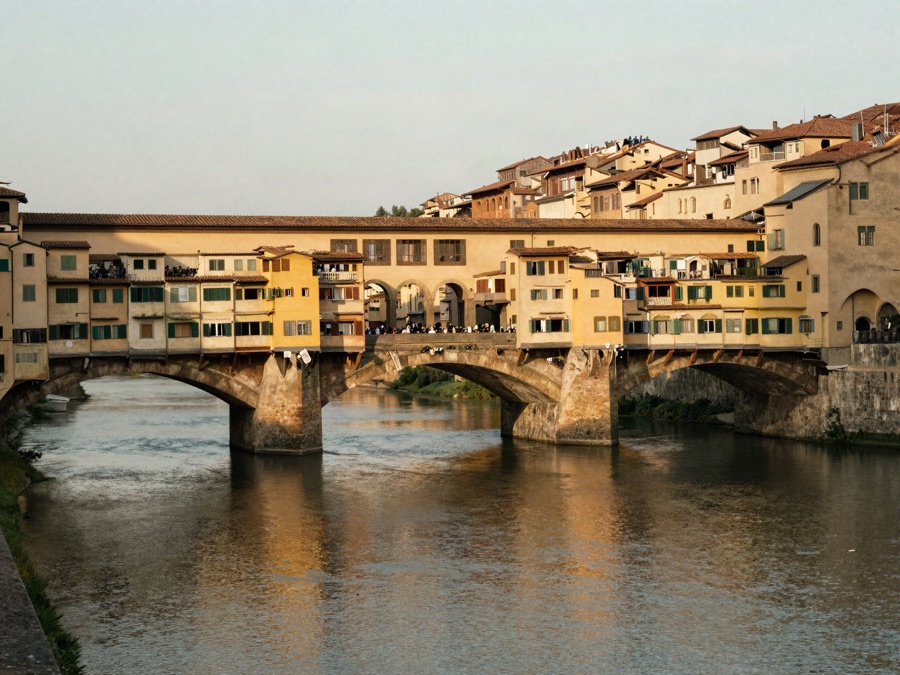
Florence
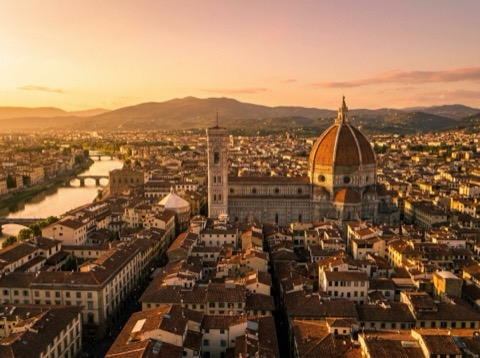
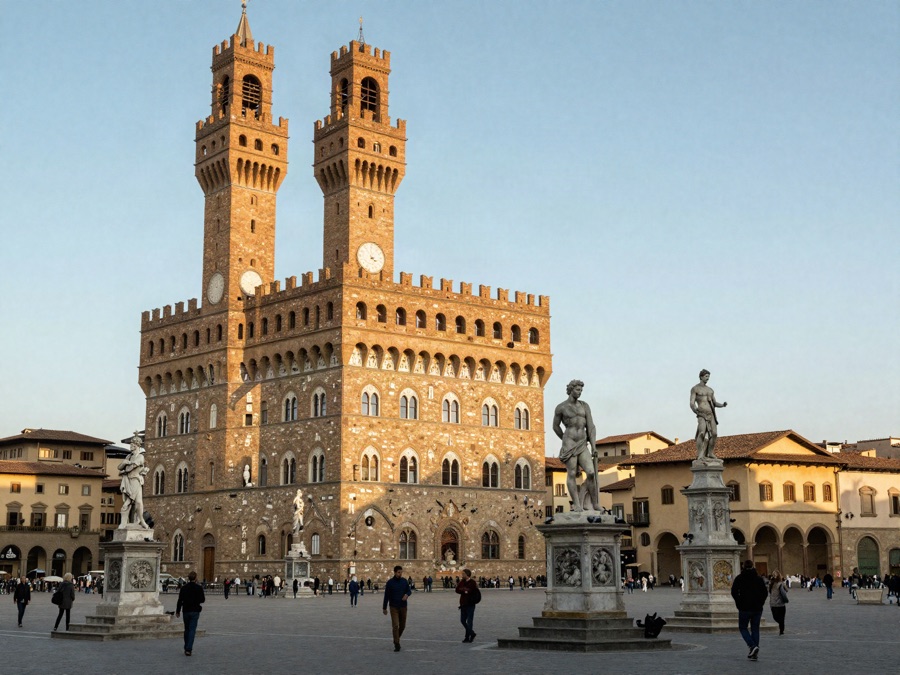
The Duomo, the Uffizi, the Ponte Vecchio — close enough to both cities that a single overnight adds a third destination to the same ticket.
Stations
Where you'll board and land, right in the city centre
Every train from Venice to Rome on this line arrives and departs from a station in or near the historic centre — no long transfer to reach either city.
Venezia Santa Lucia — Venice Station
Amenities & tips →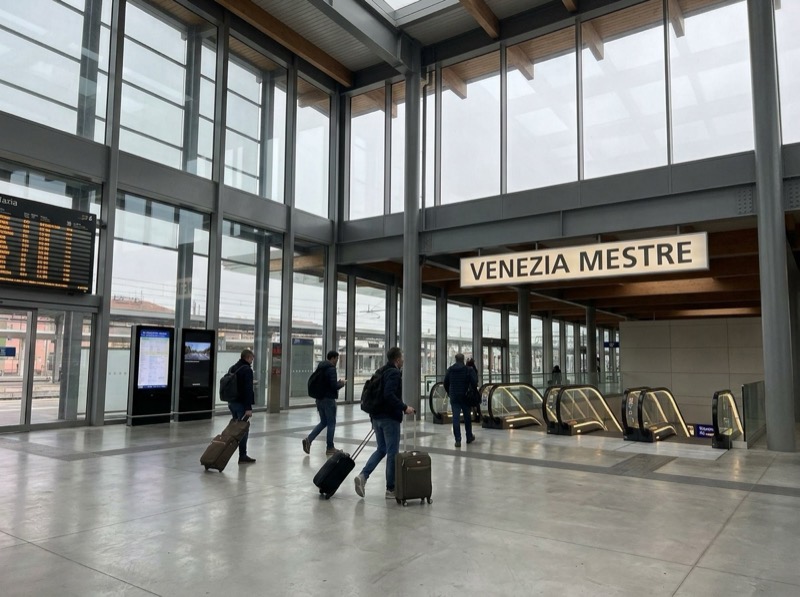
Mestre
Amenities & tips →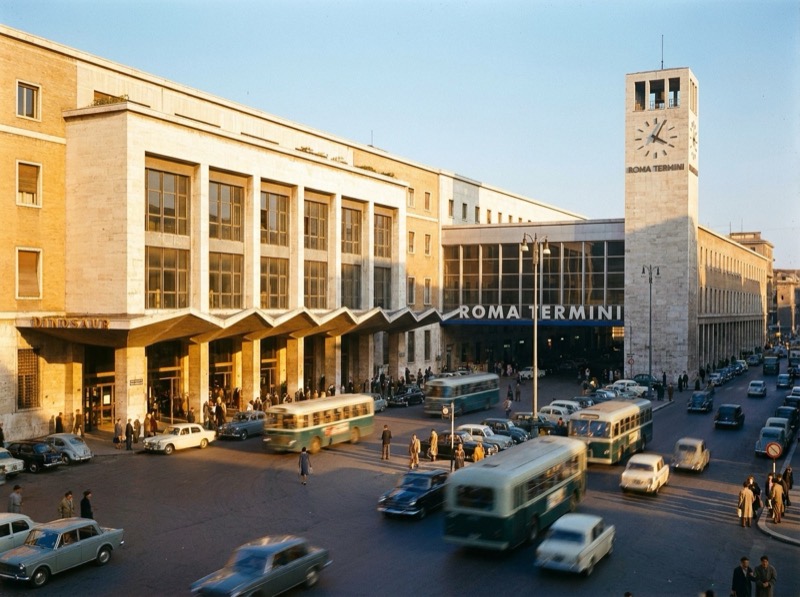
Termini — Rome's Arrival Station
Amenities & tips →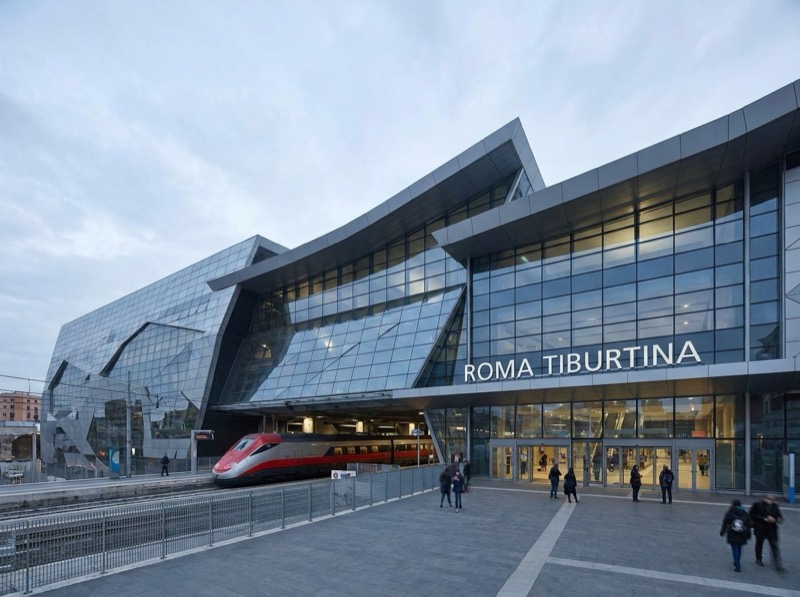
Tiburtina
Amenities & tips →Two Cities, Two Moods
Same line, opposite energy
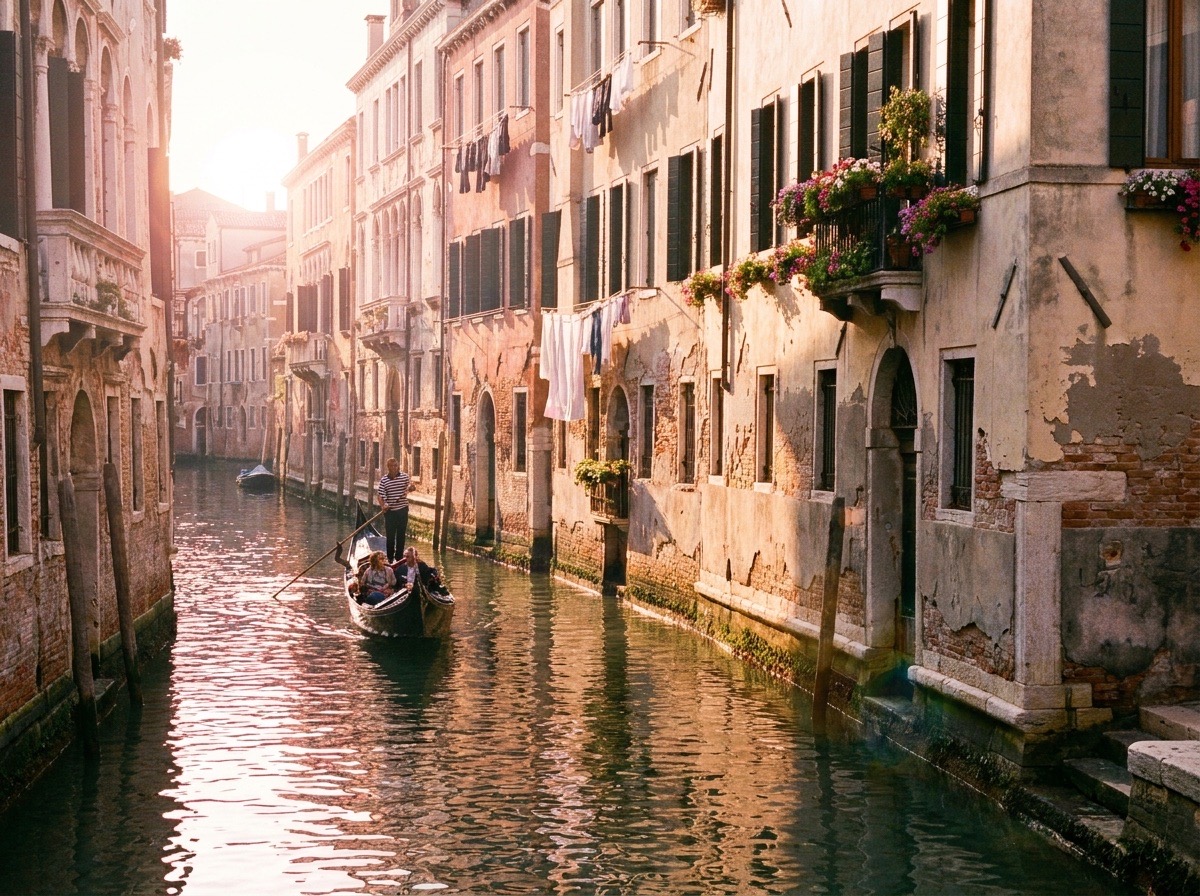 Venice — La Serenissima
A maze that floats
No cars, no straight lines — just canals, bridges and the sound of water against stone. Slow down; you can't hurry here anyway.
Built on 118 small islands, connected by more than 400 bridges.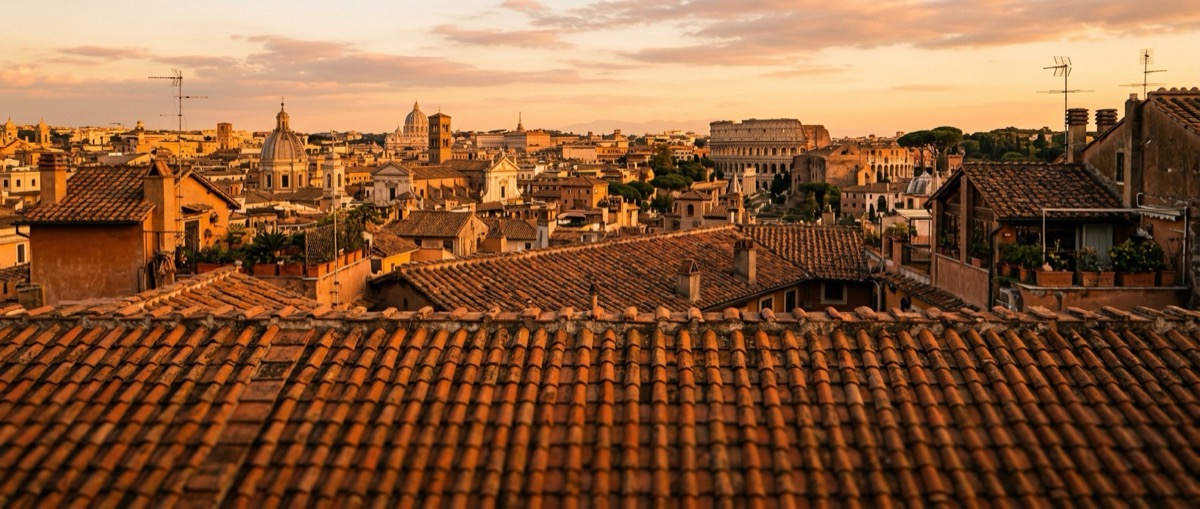 Rome — La Città Eterna
Layers on layers
Ancient ruins under Renaissance churches under modern rooftop bars — a city that never stopped building on top of itself.
The only city with another sovereign state — Vatican City — inside it.Field Notes
What to actually do when you get there
Short, honest guides to both ends of the line — and the stops in between.
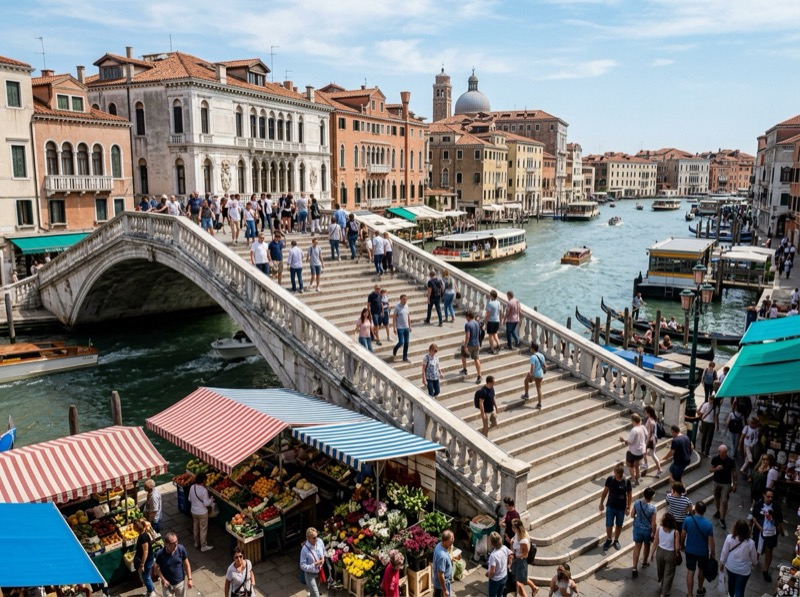
48 hours in Venice, without the crowds
Read the guide →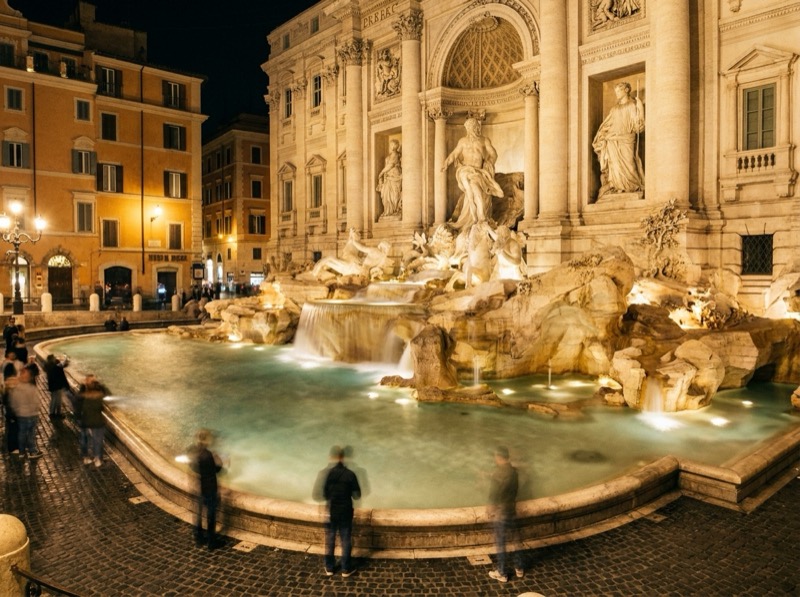
Rome after dark
Read the guide →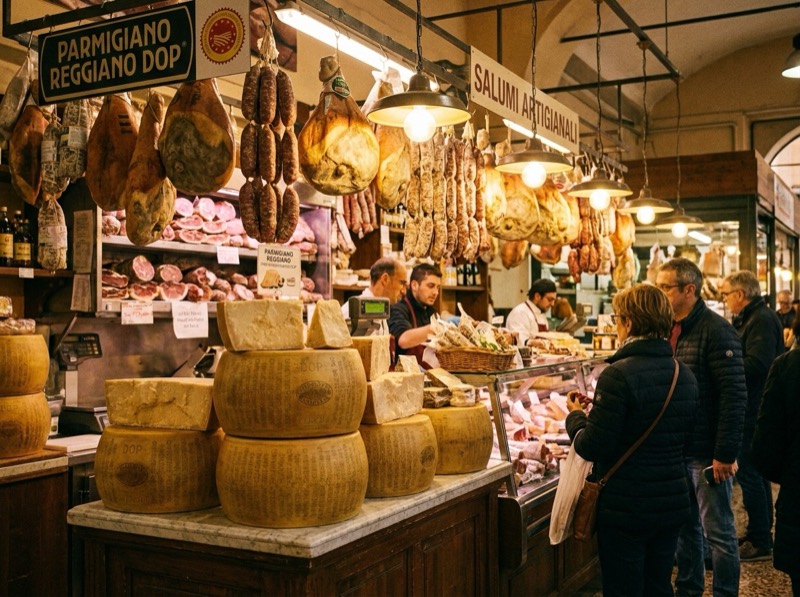
Italy's most delicious 3-hour layover
Read the guide →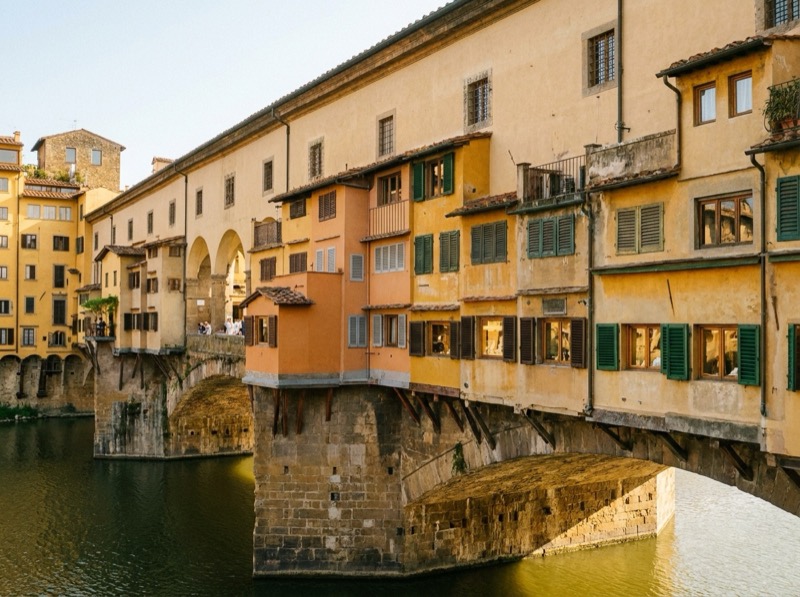
Why everyone should break their trip in Florence
Read the guide →
Cicchetti vs. aperitivo: a food rivalry
Read the guide →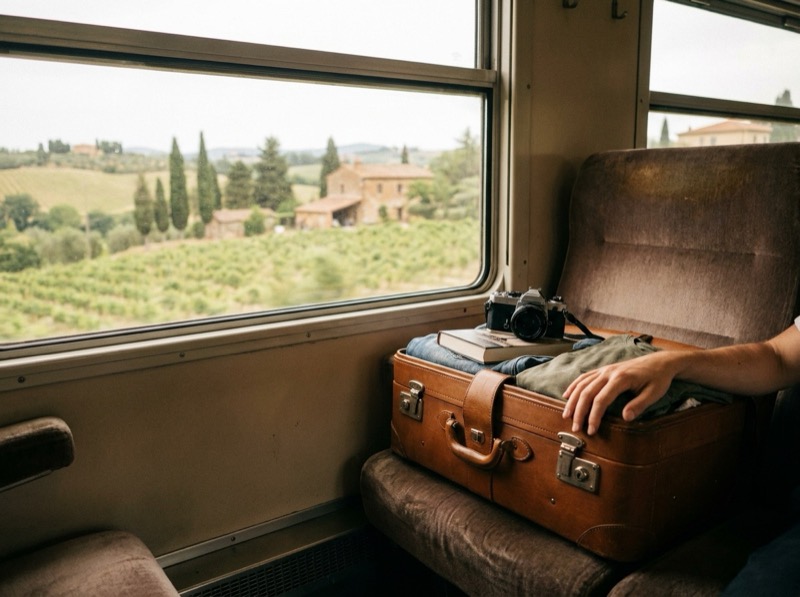
Packing for two very different cities
Read the guide →Why Trust This Guide
A guide, built right
Independent
Not owned or paid by any train operator — every comparison is ours.
Verified route data
Timings and station facts cross-checked against operator schedules.
Booking, elsewhere
We don't sell tickets ourselves — "Book tickets" links route to an encrypted partner checkout that does.
No hidden fees
Fares shown are exactly what you'll pay at checkout — no surprise add-ons.
The Long Read
The complete guide to the Venice to Rome train journey
Everything above this line is the short version. If you want the full picture — history, ticket prices, what actually happens between departure and arrival — it's below.
Read the complete guide
A brief history of the line
The railway between Venice and Rome follows one of Italy's oldest north–south corridors, linking two of the country's major cities since the 19th century. For most of the 20th century the journey was a slow affair on regional trains and early InterCity services, often taking six hours or more. That changed with the rollout of Trenitalia's Frecciarossa high speed trains on this route, later joined by the private operator Italo — both running on upgraded high speed track that cut the Venice to Rome train journey to well under four hours for the first time.
Buying the cheapest train tickets
Ticket prices on this route work on a yield system, much like airline fares: the earlier you book, the lower the price. Cheap train tickets are usually released three to four months ahead of travel, and the same Venice to Rome train can cost three times as much if you buy it the morning of departure instead of a month in advance. There are no hidden booking fees on either operator, and a Standard-class train ticket at a reasonable price is almost always available if you're flexible on departure time — early morning and late-evening departures tend to hold their low fares longest. It's worth pricing both Trenitalia and Italo rome train tickets for the same date before booking, since the cheaper option swaps between the two fairly often.
What the train journey actually feels like
You'll board at the departure station — Venezia Santa Lucia if you're starting in central Venice — usually with your coach and seat number printed on the ticket rather than needing to find the correct track from a departures board, since high speed trains here run from fixed platforms. Modern amenities are standard across every class: air conditioning, power outlets at every seat, and free wifi for the whole train journey. Business and Executive add a welcome service with a drink and snack shortly after departure, accessible toilets in every carriage, and designated luggage areas near the doors so you're not hauling a case down the aisle. Onboard entertainment is minimal by design — most travellers spend the journey working, reading or just watching Tuscany go by — but there's nothing stopping you from streaming something over the wifi. The train pulls into Roma Termini roughly three and a half hours after leaving Venice, coach and platform numbers displayed well before arrival.
Regional trains and other alternatives
Not every train on this corridor is a high speed train service. Regional trains still run shorter stretches of the same route — Venice to Padua, or Florence to Rome — at a fraction of the price, but stringing several together to cover the full distance takes most of a day and involves changing trains more than once. Trenitalia's overnight Intercity Notte is the other alternative: a genuine night train with sleeper cabins, useful if you'd rather sleep through the distance than watch it, though it runs on a much thinner timetable than the daytime high speed trains and the total train times end up longer once you count the overnight hours.
Finding your platform and boarding smoothly
At both Venezia Santa Lucia and Roma Termini, the departure station displays your train by number and destination roughly twenty minutes before the first train of that service leaves, with the correct track confirmed on-screen — Italian stations do occasionally reassign a platform at short notice, so it's worth a last-minute glance at the board rather than walking straight to where an earlier check said to go. Because boarding is quick and there's no security screening, arriving ten minutes before departure is genuinely enough; even the last train of the day rarely requires more of a buffer than that.
Frecciarossa vs Italo, in more detail
Both companies operate a modern fleet capable of similar top speeds, so the choice usually comes down to convenience rather than comfort. Frecciarossa has the wider network and denser schedule, with more departures per day and connections onward to Milan and Turin if your trip continues past Rome. Italo runs a smaller but well-equipped fleet, often praised for its Prima and Club Executive classes, a genuinely pleasant onboard entertainment system, and a smart, easy-to-use app for last-minute changes. Neither operator charges extra for a bike, a laptop bag, or a couple of pieces of luggage — both allow generous space per passenger, with racks at the end of every carriage and additional room above your seat. Wheelchair users are well served by both companies, with dedicated spaces, accessible toilets, and staff on hand at major stations including Termini, Venezia Santa Lucia and Venezia Mestre.
Money-saving tips and common mistakes
The single biggest factor in the price you pay is how far in advance you book — travelers who buy the same day almost always pay two to three times what an advance ticket would have cost, regardless of which company they choose. A frequent mistake is assuming the Sunday or August timetable matches a normal weekday; both operators run a reduced schedule on public holidays, so it's worth checking the exact date rather than assuming availability. Discounts exist for groups, and both companies occasionally run promotional fares worth watching for if your travel dates are flexible. One more tip: keep a photo of your ticket and passport handy, since conductors do check both, particularly on the fastest, busiest departures.
Rome Venice by the numbers: speed, distance and pricing
Rome to Venice — or Venice to Rome, the fares and schedule are symmetric in both directions — covers 528 km by rail, considerably more than the roughly 394 km you'd travel as the crow flies, since the line bends through Padua, Bologna and Florence rather than cutting a straight path. Right out of Venezia Santa Lucia, every train crosses the Venice lagoon on the Ponte della Libertà, a causeway a little over 3.5 km long carrying the tracks to the mainland. Frecciarossa 1000 trains reach speeds up to 300 km/h; Frecciargento's Pendolino fleet tops out lower, around 250 km/h (roughly 155 mph). Counting only the direct high-speed services, the fastest journey takes about 3 hours 25 to 40 minutes; averaged across every train on the route, including slower regional connections, the figure lands closer to 5 hours, with individual journeys ranging anywhere from about 3 hours 35 minutes to well over 6 hours depending on how many changes are involved. Trenitalia offers multiple high-speed departures every hour at peak times, and dozens across a full day once Italo's services are added in. Pricing is dynamic, the same yield-based system used across most of Italy's high-speed network: advance fares start around €29.90, a more typical advance price is closer to €50, and walk-up tickets can run as high as €150, putting the average fare actually paid somewhere around €90–95.
Comfort, small extras and what's actually on board
Seat reservations are mandatory on every high speed train on this route — unlike some regional services, there's no unreserved standing, so your ticket always guarantees a specific seat in an elegant, comfortable setting. Both operators run a café car or a food-and-drink cart through the train, with hot and cold drink options and light snacks for sale; Business and Executive add a complimentary welcome drink on top of that. Small pets travel too — a cat or small dog in a suitable carrier is allowed for a small additional cost on both Trenitalia and Italo. Italo in particular has leaned into design-forward carriages, and it's a genuinely good value alternative to Frecciarossa on dates when its fares come in lower. Set against flying or driving, the train usually saves time once airport transfers or motorway traffic are counted, and it's the only option that turns the trip itself — vineyards, hill towns, the Apennines — into part of the scenic views rather than dead time to get through.
FAQ
Questions, answered
Everything travellers ask before booking the Venice–Rome line, grouped by topic.
Book TicketsBooking & fares — the cheapest way to book
What's the cheapest way to book tickets?+
Advance-purchase fares booked several weeks ahead are by far the cheapest, sometimes from around €29 one way, versus walk-up fares well over €90. Advance tickets are tied to a specific train and usually non-refundable.
How far in advance should I book?+
Advance tickets are typically released 3 to 4 months ahead of travel and get pricier as popular slots sell out, so booking several weeks ahead usually secures the lowest fares.
Is the train faster than flying?+
The flight itself is around 1h15, but airport check-in, security and transfers into both centres usually add up to a similar or longer total time than the roughly 3h30 train — which also lands you in the centre of both cities.
Trenitalia or Italo — which should I choose?+
Both run modern high-speed trains at comparable speeds and fares. Frecciarossa has a slightly denser timetable; Italo is often praised for onboard design. Comparing both on your date usually finds the better fare.
The journey
How long does the Venice to Rome train take?+
The fastest direct Frecciarossa services cover the roughly 528 km between Venezia Santa Lucia and Roma Termini in around 3 hours 25 minutes, with most direct high-speed trains taking 3 hours 30 minutes to 4 hours depending on stops.
Is there a direct train, or do I need to change?+
Yes — both Trenitalia's Frecciarossa and Italo run frequent direct high-speed trains with no change required, roughly every 30 to 60 minutes across the day.
Is the journey scenic?+
Yes. The line crosses the Venetian mainland, the Emilia-Romagna plain into Bologna, then Apennine tunnels into Tuscany's vineyards and hills before dropping into the Roman countryside.
Can I bring luggage on the train?+
Yes. Both Frecciarossa and Italo allow generous standard luggage with overhead and door-end racks, with no strict weight limits and no baggage fees.
How many trains run per day?+
Across Frecciarossa, Frecciargento and Italo combined, more than 25 direct high-speed trains connect Venice and Rome every day.
What time do the first and last trains run?+
The first direct high-speed train leaves Venezia Santa Lucia at around 05:57, and the last direct departure is around 20:20.
Is there a night train between Venice and Rome?+
Trenitalia's Intercity Notte overnight service covers a similar route with sleeper cabins, but it runs less frequently and takes considerably longer than the daytime high-speed trains — most travellers still find the roughly 3h30 Frecciarossa or Italo journey the more practical option.
What's the average journey time, counting every type of train?+
The fastest direct high-speed trains take as little as 3 hours 25 to 40 minutes. Averaged across every service on the route, including slower regional connections, the typical journey works out closer to 5 hours, with individual trips ranging from about 3 hours 35 minutes up to 6-plus hours depending on how many changes are involved — which is exactly why most travellers stick to the direct Frecciarossa or Italo services.
Stations & stops
Which stations do I use?+
Direct trains depart from Venezia Santa Lucia or Venezia Mestre, and arrive at Roma Termini, with some services also calling at Roma Tiburtina.
Should I stop in Florence or Bologna on the way?+
It's a genuinely good option. Florence is around 1h45 from Venice and 1h30 from Rome; Bologna sits almost exactly halfway — both make an easy stopover on the same ticket cost.
Is Rome Termini close to the Colosseum and Vatican Museums?+
The Colosseum is a 15-minute walk from Termini. The Vatican Museums are further out, on the opposite side of the city, but a direct ride on metro line A gets you there in about 25-30 minutes with no changes.
Buon viaggio
Ready to ride the line?
From the Grand Canal to the Colosseum in one seat, no changes required.
Book Tickets ↗